Conservation Groups Unite to Save the World’s Rarest Gorilla
Conservation organisations and local communities join forces in Cameroon to strengthen protection of the critically endangered Cross River gorilla and the forests it calls home.
Douala, Cameroon – In the forests along the border of Cameroon and Nigeria lives one of the world’s rarest great apes. With fewer than 300 individuals remaining in the wild, the Cross River gorilla faces an uncertain future. But a growing alliance of conservation organisations and local communities is working to ensure that this extraordinary species does not disappear.
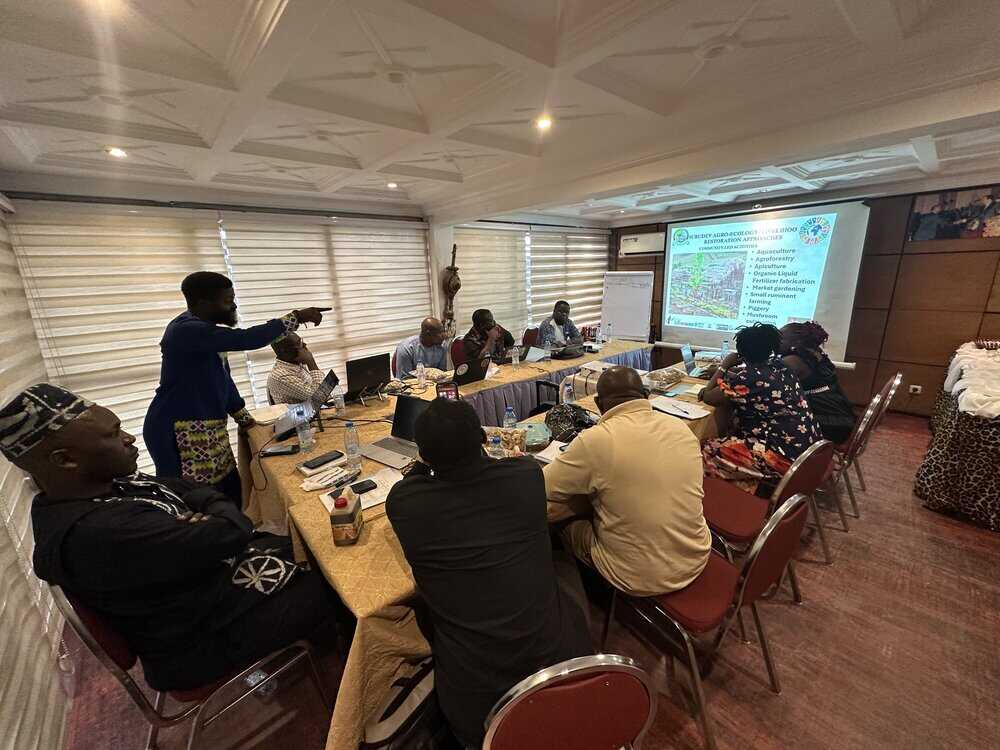
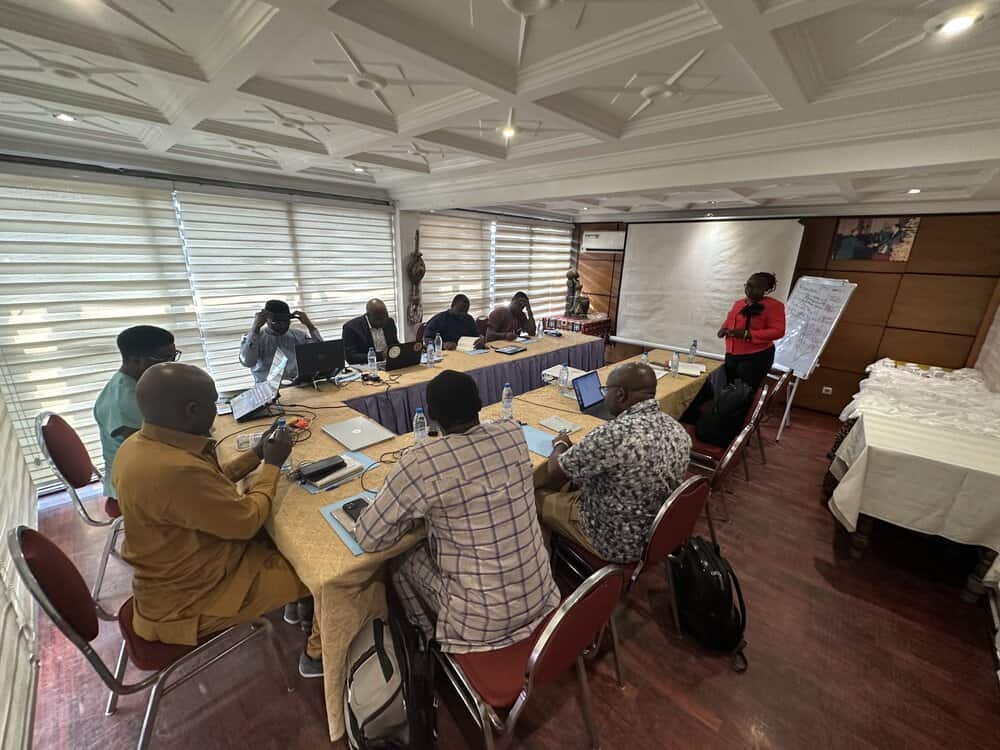
In February 2026, nine conservation organisations gathered in Douala, Cameroon, for a three-day knowledge exchange workshop aimed at strengthening collaboration and accelerating community-led conservation across the Cross River gorilla’s remaining habitat.
The workshop was facilitated by the African Conservation Foundation, Environment and Rural Development Foundation, and CEPOW Cameroon. It brought together conservation practitioners working across key gorilla landscapes to share field experiences, discuss common challenges, and develop practical strategies to protect gorillas and the forests they depend on.
The Cross River gorilla survives in small and fragmented forest areas scattered across the mountainous border region between Cameroon and Nigeria. Important habitats include Takamanda National Park, Kagwene Gorilla Sanctuary, and the Mone Wildlife Reserve, as well as forest landscapes in the Rumpi Hills and Upper Bayang regions.
However, these forests face increasing pressure from logging, agricultural expansion, and other human activities. Habitat fragmentation has become one of the most serious threats to the survival of the species, isolating gorilla groups and reducing genetic diversity.
During the workshop, participants emphasised that protecting the Cross River gorilla requires more than safeguarding isolated protected areas. Instead, conservation must focus on maintaining ecological corridors that allow gorillas to move between forest landscapes. These connections are vital to maintaining healthy populations.
One of the most promising solutions discussed was the expansion of community forest management. Cameroon’s community forest model allows local communities to legally manage forest areas for long-term sustainable use. When communities are supported with strong governance and conservation planning, community forests can become powerful tools for protecting wildlife habitat while also supporting local livelihoods.
Participants shared experiences from across the region on how community forests can help secure forest corridors and strengthen local stewardship of natural resources.
The workshop also explored new approaches to monitoring wildlife populations and conservation threats. Participants discussed the use of advanced tools such as the SMART Conservation Software, which helps conservation teams collect and analyse field data on wildlife sightings, patrol activities, and illegal activities such as poaching and logging.
Improved monitoring systems allow conservation organisations to better understand changes in wildlife populations and respond more quickly to threats.
At the same time, conservation leaders stressed the importance of supporting communities living near gorilla habitats. Many rural households rely heavily on forest resources, and conservation strategies must therefore provide alternative livelihood opportunities that reduce pressure on forests.
Participants shared examples of successful initiatives including agroforestry systems, beekeeping, aquaculture, mushroom production, and small livestock farming. These activities help generate income while maintaining healthy forest ecosystems.
One of the most important outcomes of the meeting was the decision to establish a Cross River Gorilla Community-Led Conservation Alliance. This new alliance will strengthen cooperation between organisations working across the gorilla’s range and provide a platform for coordinating conservation efforts at a landscape scale.
Through the alliance, conservation groups will work together to harmonise biodiversity monitoring systems, support the development of community forests, raise public awareness about the Cross River gorilla, and mobilise new funding for conservation.
Participants also agreed on a one-year action plan that includes creating a coordinating secretariat, strengthening communication and storytelling about conservation successes, expanding collaboration with partners in Nigeria, and exploring innovative financing mechanisms such as carbon credit initiatives.
For many of the organisations involved, the workshop represented an important milestone in building stronger partnerships and sharing knowledge across the region.
“Small conservation initiatives working on the ground need to be empowered,” participants noted during the closing session. “By working together through this alliance, we can strengthen our collective capacity to protect the forests and wildlife of the Cross River region.”
Although the challenges facing the Cross River gorilla remain significant, the workshop demonstrated that strong collaboration between conservation organisations and local communities can create real hope for the future of the species.
By protecting forests, strengthening community stewardship, and working together across landscapes and borders, conservationists are taking important steps to ensure that the world’s rarest gorilla continues to survive in the wild.
Protecting the future of the Cross River gorilla requires long-term collaboration, strong community partnerships, and sustained support. The work of organisations such as the African Conservation Foundation, Environment and Rural Development Foundation, and their partners is helping to protect gorilla habitats, strengthen community forest management, and improve wildlife monitoring across this critical landscape.
You can help ensure the survival of the world’s rarest gorilla. By supporting conservation efforts in the Cross River region, you contribute directly to protecting forests, empowering local communities, and safeguarding one of the planet’s most remarkable great apes for future generations.